Natural disasters can strike when least expected, leaving communities reeling from damage and loss. In the aftermath of such events, individuals often find themselves isolated in their struggles, unsure of where to turn for support and resources. Creating a collaborative space where residents can share resources post-disaster is not just beneficial; it is essential https://emilianoiuzr648.huicopper.com/how-seasonal-weather-impacts-the-need-for-water-damage-services-in-mesa-az for rebuilding communities and fostering resilience. This article explores practical approaches to establishing these collaborative hubs and highlights the importance of community engagement in the recovery process.
Understanding Community Needs
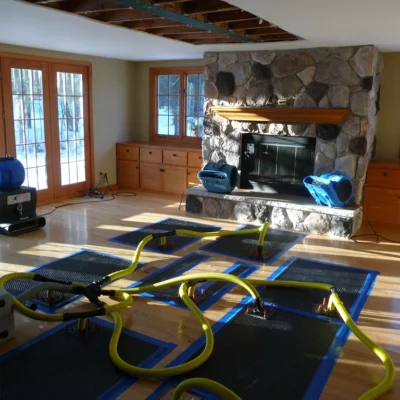
The first step in creating a collaborative space is understanding the unique needs of your community following a disaster. Water damage restoration in Mesa, AZ, serves as an illustrative example. After significant flooding or plumbing failures, residents may find themselves facing challenges such as structural damage to their homes, loss of personal belongings, or health concerns from mold growth. By assessing the specific needs within your community—whether they pertain to immediate shelter, food supplies, or mental health support—organizers can tailor resource-sharing efforts effectively.
Engaging with local leaders, nonprofits, and residents through surveys or town hall meetings can uncover these needs. It's important to prioritize inclusivity during this phase. Ensure that voices from various demographics—such as seniors, families with children, and those with disabilities—are heard. Their insights will help shape a more effective support system.
Building a Centralized Resource Hub
Once community needs are identified, establishing a centralized resource hub becomes imperative. This hub should serve as a physical or virtual space where residents can access information about available resources and services. For instance, after water damage incidents in Mesa, AZ, collaborating with local water damage restoration companies like Bloque Restoration can provide critical assistance.
A successful resource hub could take the form of a community center equipped with computers and internet access for those who need help finding services online. Alternatively, social media groups or dedicated websites can facilitate information sharing among residents. These platforms allow people to post requests for assistance—whether they need help with home repairs or are looking to donate items—and receive real-time updates about available resources.
Creating an accessible database that includes contact information for local service providers specializing in water damage restoration will also empower residents to take action swiftly when disaster strikes again.
Encouraging Skill Sharing
In addition to providing material resources, fostering an environment where residents can share their skills presents an invaluable opportunity for collaboration. Many individuals possess talents that could benefit their neighbors but may not know how to offer them effectively post-disaster.
Consider organizing workshops where skilled members of the community teach others essential skills such as basic home repair techniques or financial management strategies tailored for disaster recovery. Such initiatives not only equip residents with valuable knowledge but also cultivate relationships among neighbors that enhance community cohesion.

For example, if someone has experience in construction or contracting work after working on water damage restoration projects in Mesa, AZ, they could lead sessions on home repairs relevant to those affected by similar issues. This approach not only helps individuals rebuild their homes but also helps rebuild trust and camaraderie within the neighborhood.
Establishing Communication Channels
Effective communication is vital during any recovery process. Establishing clear channels allows residents to stay informed about ongoing efforts and coordinate responses efficiently. Regular updates via newsletters—both digital and printed—can keep everyone informed about available resources and upcoming events at the resource hub.
Social media platforms serve as excellent tools for maintaining communication within communities too damaged by disasters to rely solely on traditional methods like flyers or bulletin boards. Creating dedicated groups on platforms like Facebook enables timely dissemination of information regarding volunteer opportunities and available services.
Furthermore, ensuring that these communications are accessible by using simple language and multiple languages when necessary promotes inclusivity among diverse populations within your community.
Partnering with Local Organizations
Collaboration extends beyond individual efforts; partnering with local organizations amplifies impact significantly. Many nonprofits specialize in disaster relief efforts and have established networks capable of mobilizing resources quickly when needed most.
By forming partnerships with organizations focused on water damage restoration and similar services in Mesa—such as Bloque Restoration—you create pathways for expertise sharing while providing essential aid directly to affected individuals. Local governments may also offer grants aimed at aiding recovery efforts after disasters strike; connecting residents with these opportunities fosters greater resilience within the community over time.
Additionally, involving schools in recovery efforts can engage younger generations while teaching them valuable lessons about empathy and service-oriented behavior.
Hosting Community Events
Community events play an integral role in strengthening ties among neighbors while promoting resource sharing effectively post-disaster situations arise unexpectedly. Organizing gatherings centered around recovery themes encourages interaction between people impacted by similar experiences while allowing participants to exchange knowledge about available support systems.
For instance: hosting barbecue nights where attendees bring their favorite dishes fosters a sense of belonging while offering informal opportunities for storytelling surrounding shared experiences during difficult times together strengthens emotional bonds between neighbors facing adversity collectively rather than individually alone afterward too often leads down paths filled solely despair instead hopefulness revived through connection-building activities fostered through open dialogue spaces created intentionally designed environments conducive towards healing simultaneously emotionally physically too - all vital aspects addressed comprehensively holistically!
Moreover; incorporating fun activities such as games designed specifically catering children's interests engages families present additionally ensuring everyone feels welcome involved throughout gathering regardless age group represented there attending showing commitment supporting one another uniting toward common goals emerging stronger together ultimately thriving despite challenges encountered along journey ahead!
Evaluating Progress Regularly
Establishing metrics for success ensures ongoing evaluation of how well your collaborative space meets its intended goals over time remains crucial part journey towards building resilient communities successfully afterward! Regular check-ins will help identify areas needing improvement while celebrating achievements made thus far reinforcing commitment continuing forward progress achieved collectively collaboratively!
Feedback mechanisms could include surveys distributed periodically asking participants what worked well what could improve upon next time event held how satisfied were participants overall experience received feedback actively listened valued respected encourages continued participation future endeavors initiated organized together strengthen bonds formed previously laid foundations built upon trust respect shared values uphold principles guiding actions taken moving forward striving towards brighter tomorrow hopeful optimistic outlook cultivated nurtured continuously even amidst adversities faced encountered along way!

Conclusion: The Path Forward
Creating a collaborative space where residents share resources post-disaster necessitates intentionality and sustained effort from all involved parties—from local leaders and organizations down to each individual resident willing contribute positively toward rebuilding processes underway!
As demonstrated throughout this article: understanding unique needs building centralized hubs encouraging skill-sharing establishing communication channels partnering effectively engaging entire community hosting events evaluating progress regularly essential components success ensure everyone feels included supported throughout journey toward recovery resiliency restored renewed life breathed back into neighborhoods once devastated now thriving vibrantly alive filled possibilities hope dreams realized dreams once thought lost forever regained anew!
Investing time energy creativity into forming robust networks connections fostered spirit solidarity uplifted inspire motivate action lead transformative change positive impact future generations shaping better world possible through unity strength found collaboration above all else!
Bloque Restoration
1455 E University Dr, Mesa, AZ 85203, United States
+1 480-242-8084
[email protected]
Website: https://bloquerestoration.com